
Grounds
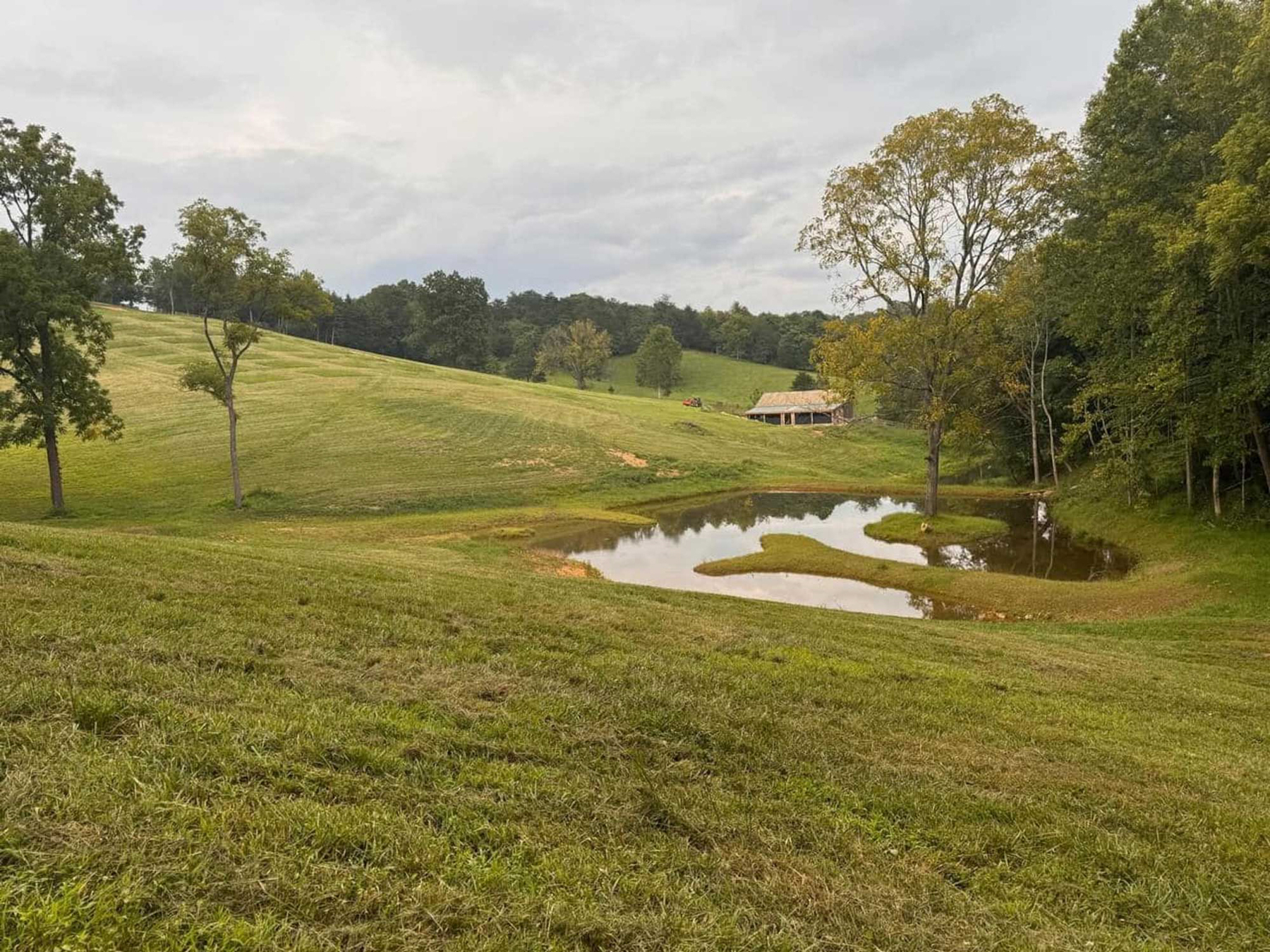
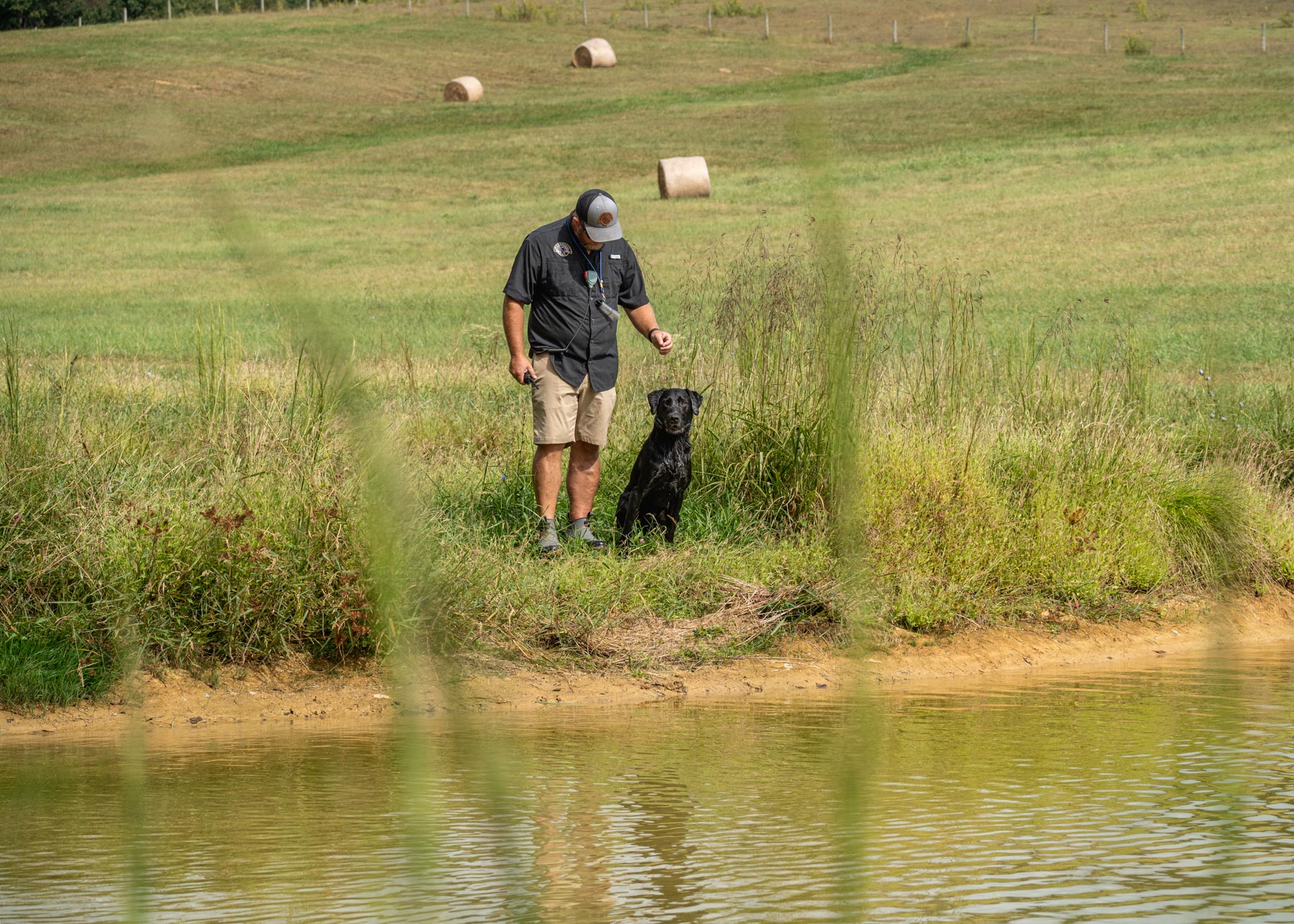
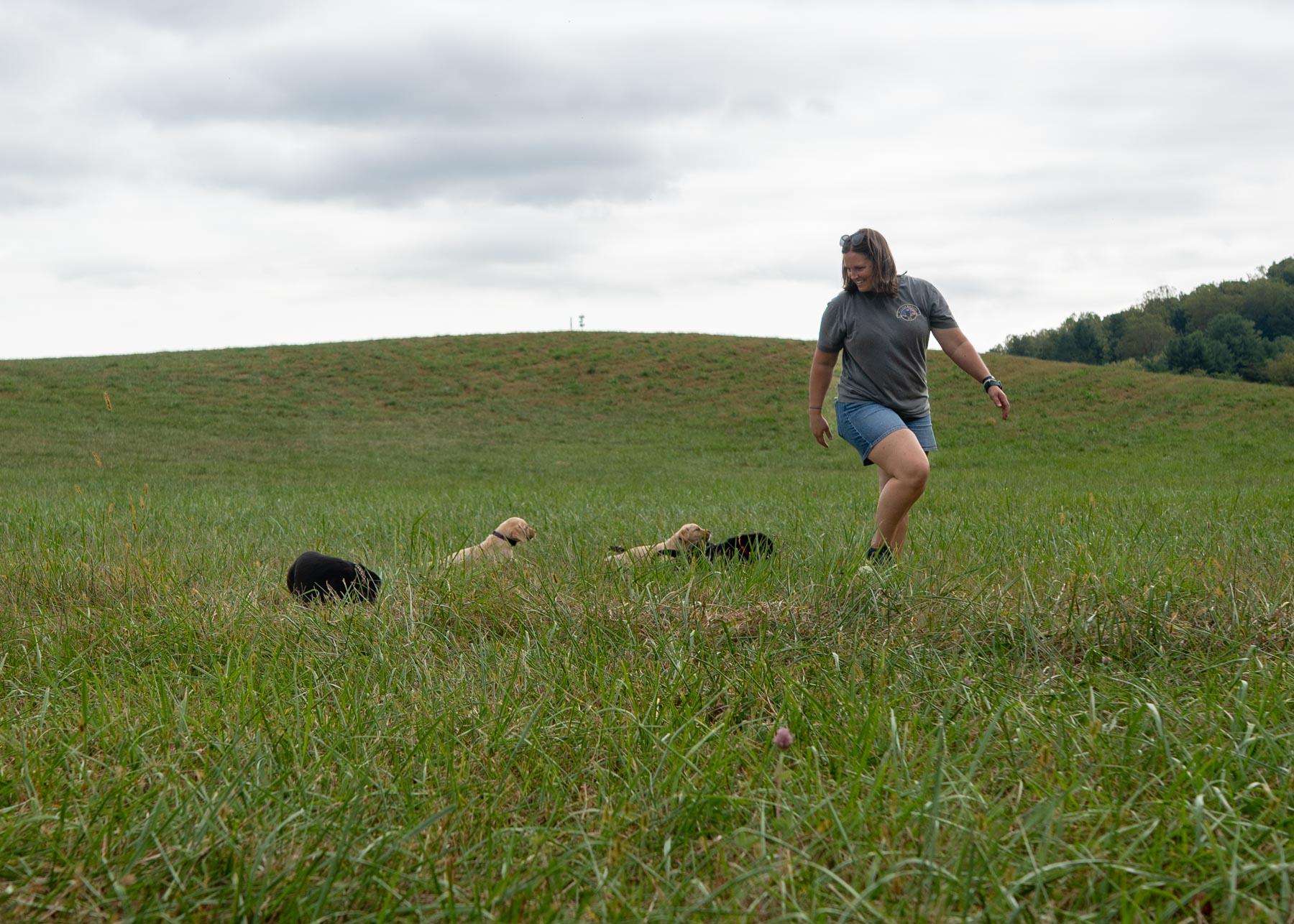
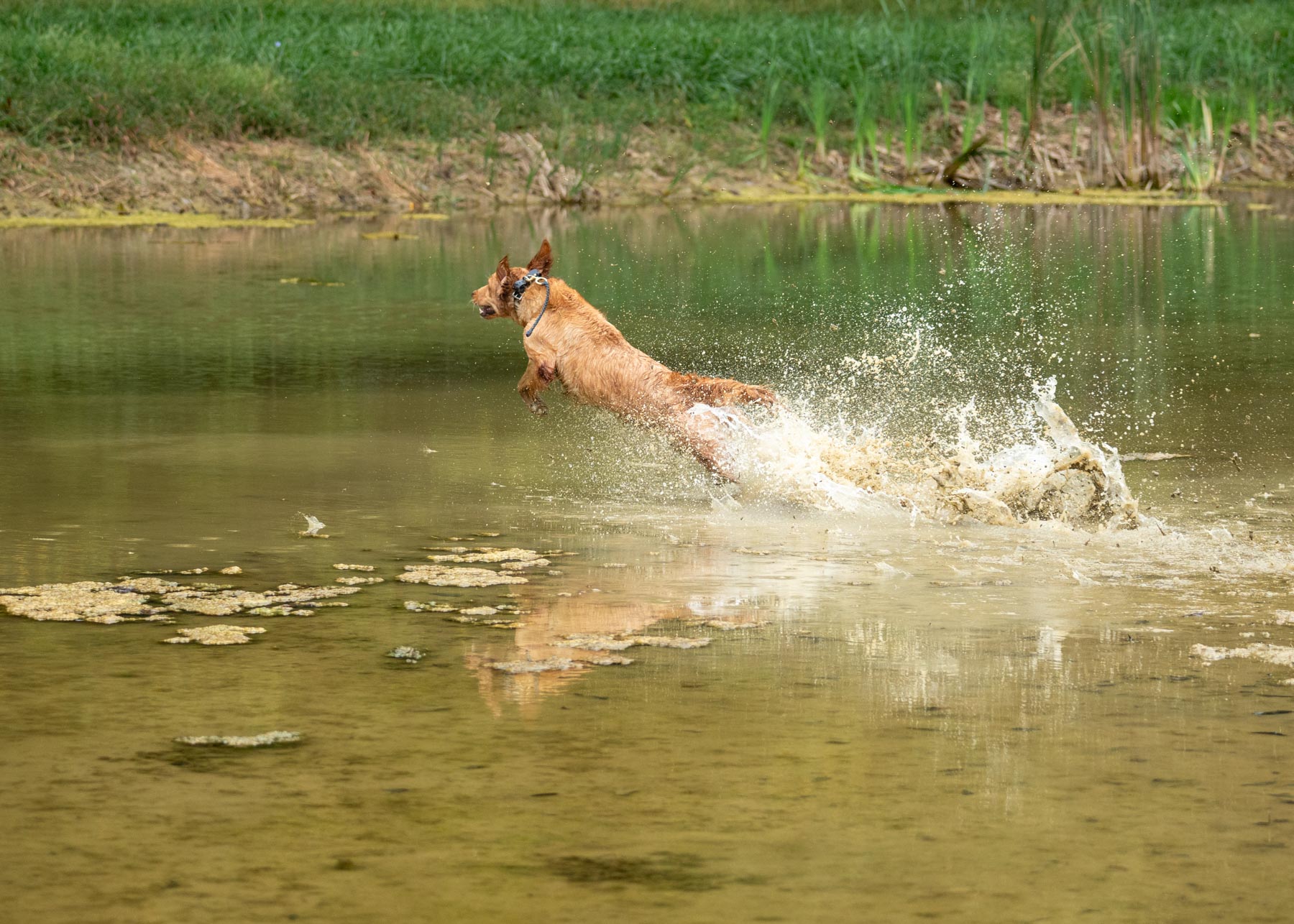
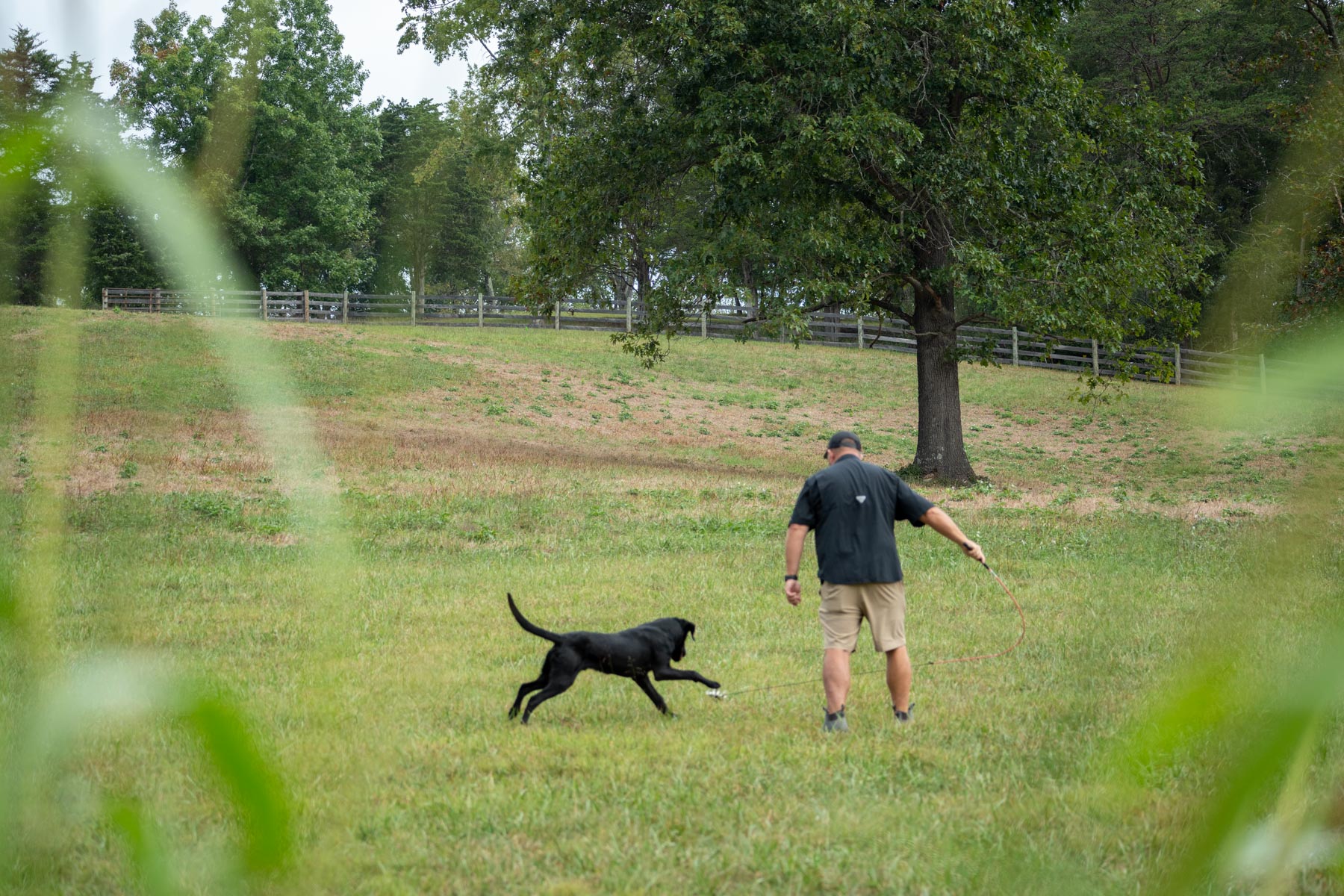
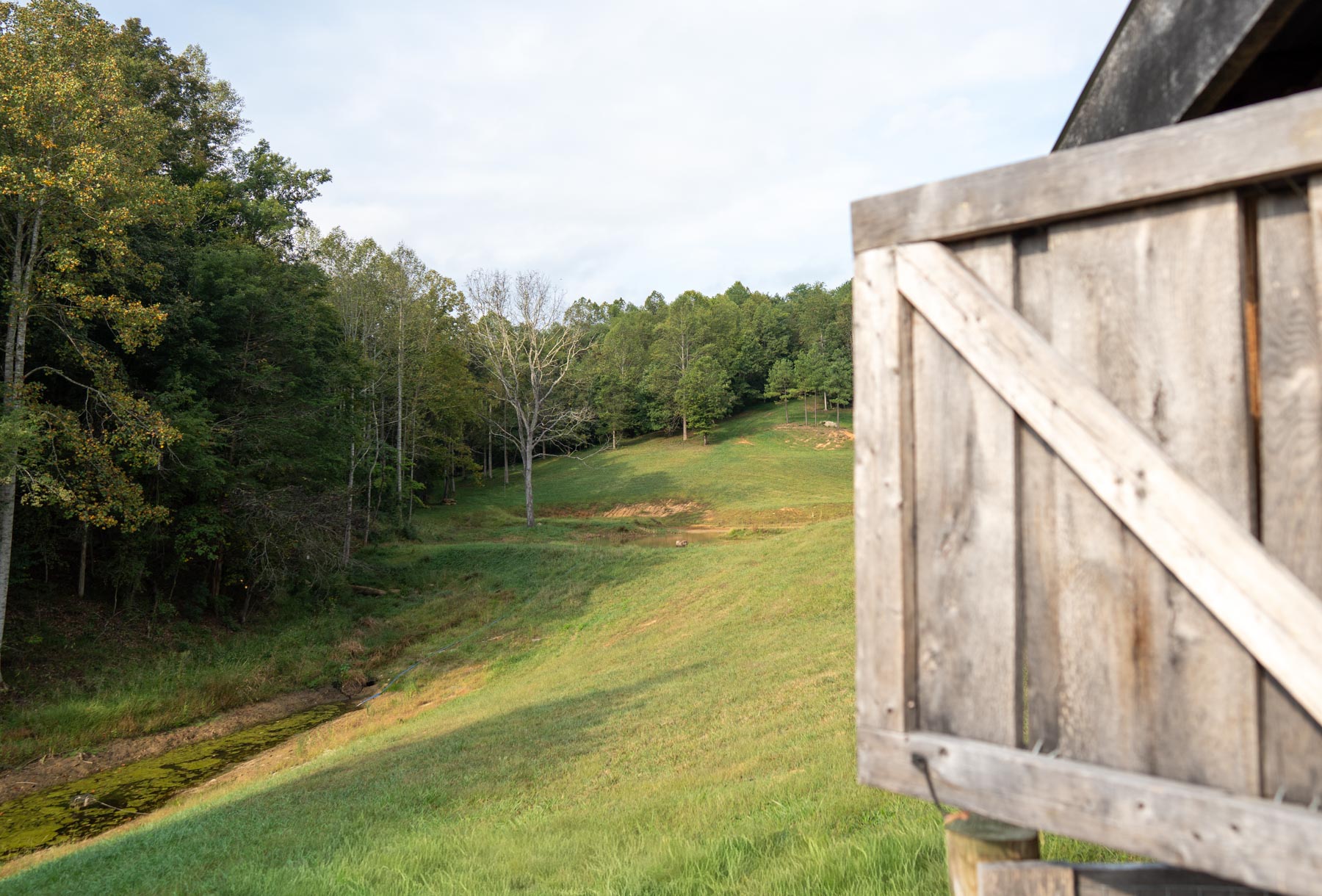
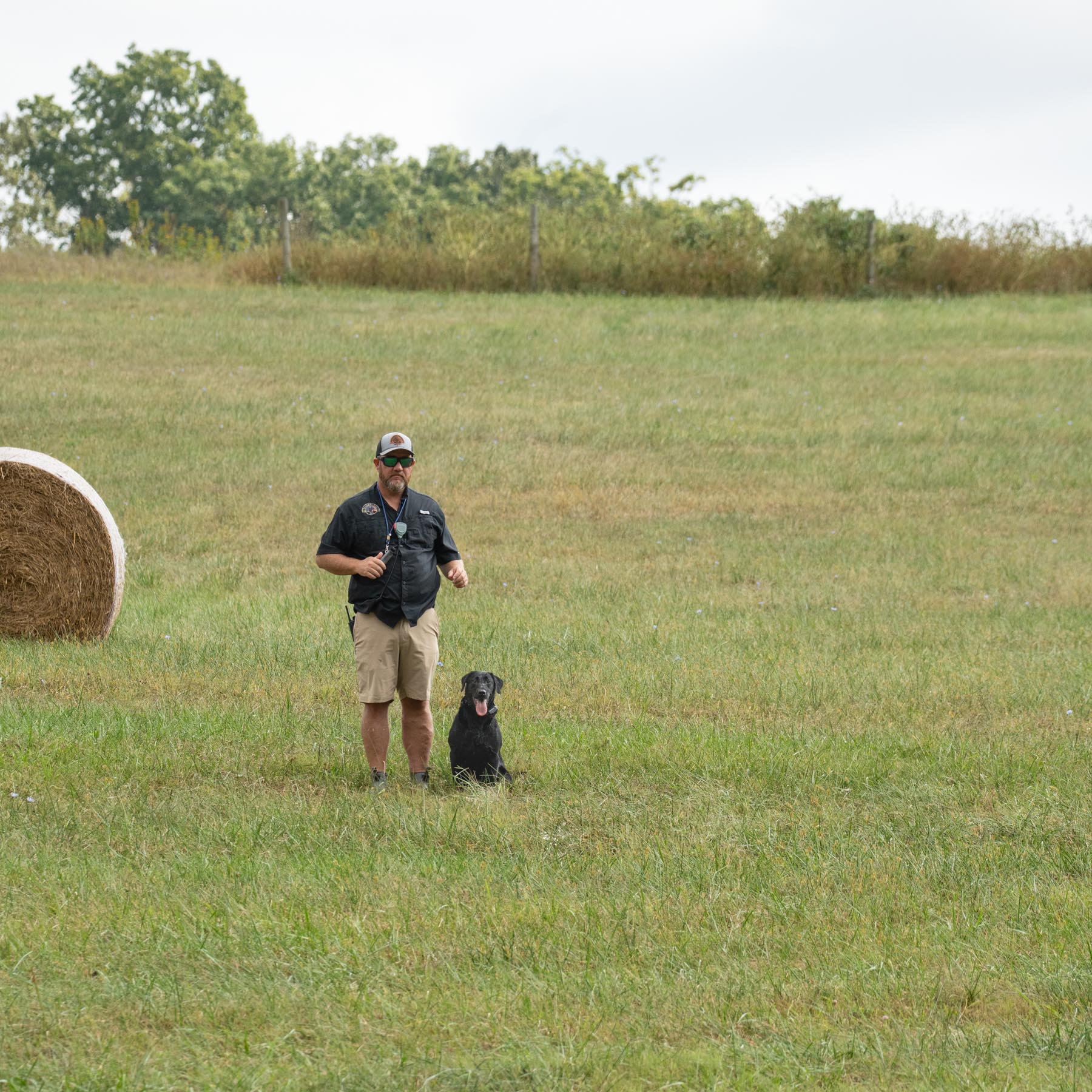
- 100+ Acres of Training Grounds
- Multiple Virginia & North Carolina Locations
- Up to Five Technical Training Ponds
- Purpose-Built Technical Water
- Points, Peninsulas & Islands
- Irregular Shorelines & Varied Cover
- Open Fields & Varied Terrain
- Land & Water Marks
- Blind Retrieves & Handling Setups
- Young Dog Through Advanced Setups
Scott did a great job with my dog. From tightening up obedience, through force fetch, to Senior Test ready. I’m very happy with the foundation that was laid at West End. He’ll most likely see another puppy or two of mine before it’s over.
Training Grounds
Great retriever training requires more than open space. It requires terrain and water that allow us to continually challenge a dog as its skills develop.
West End Retrievers has access to more than 100 acres of retriever training grounds across Virginia and North Carolina, giving us the flexibility to train on a variety of land and water throughout the year. From young dogs learning the fundamentals to advanced retrievers preparing for AKC Hunt Tests, field trials and hunting, we can build setups appropriate for the dog in front of us.
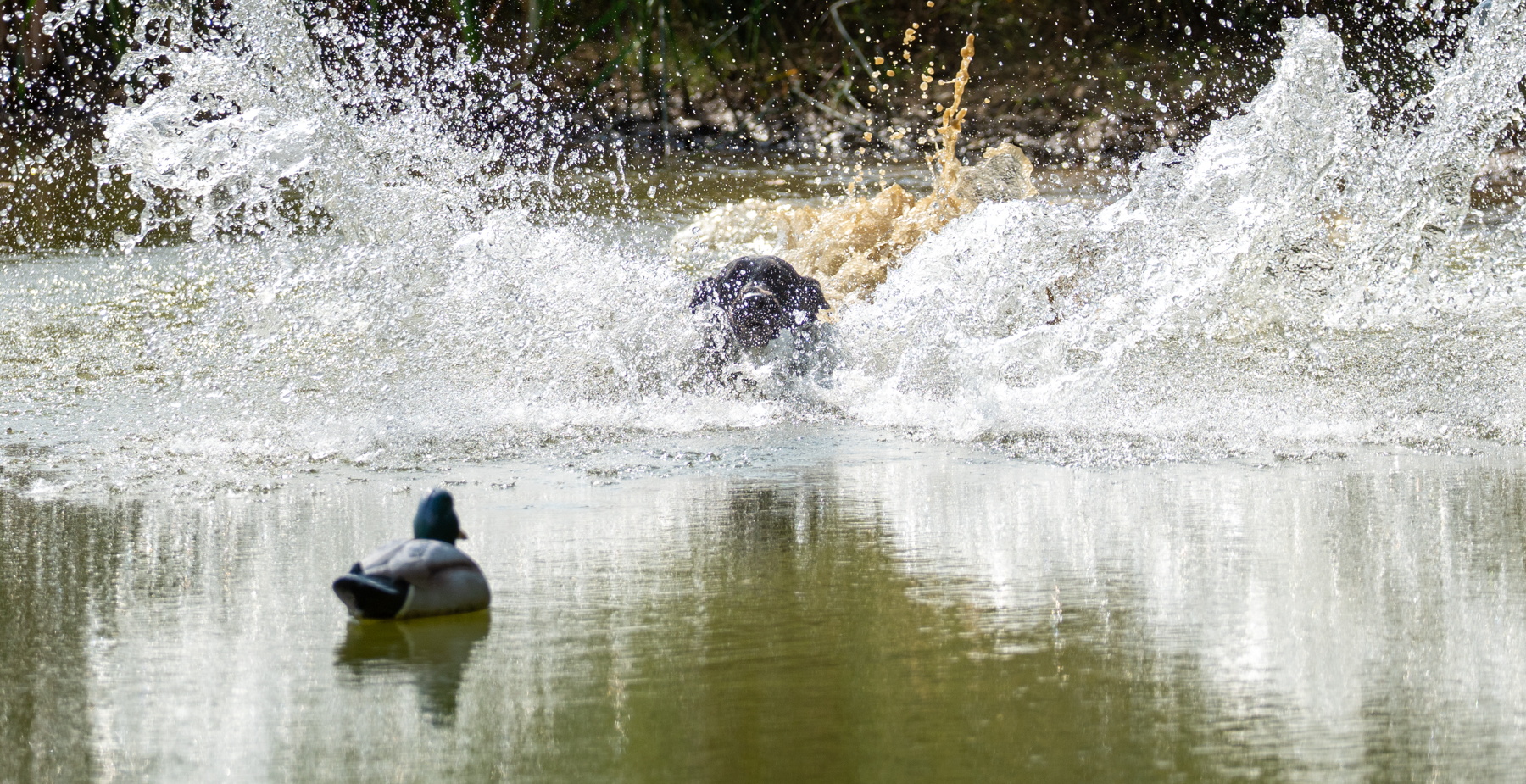
Built for Retriever Training
Our available grounds include open fields, varied terrain and up to five man-made technical ponds designed specifically for retriever work. Irregular shorelines, points, peninsulas, islands and changing cover allow us to create a wide range of technical water and land setups rather than training the same concepts in the same places day after day.
That variety gives us room to work on everything from basic marks and water entries to multiple marks, blinds, handling and advanced concepts for competitive and hunting retrievers.
Our Virginia training grounds are surrounded by the mountains of western Virginia, approximately an hour north of Roanoke and convenient to the I-81 corridor. We also utilize multiple training locations in North Carolina, expanding the terrain and water available to the dogs in our program.
Whether we’re developing a young gun dog, preparing an experienced retriever for hunt tests or field trials, or sharpening a hunting dog for the season ahead, the goal is the same: use the ground in front of us to build a more capable, confident retriever.
Questions About the Grounds
What makes water “technical”?
Technical water gives us options. Points, islands, peninsulas, irregular shorelines and changes in cover can influence the route a dog wants to take through the water. Those features let us create progressively more challenging setups as a retriever advances rather than simply making retrieves longer.
Do dogs train on the same setups every day?
No. With access to different grounds in Virginia and North Carolina, we can change locations, distances, terrain and concepts. The goal isn’t to teach a dog how to run one particular setup—it’s to develop a retriever that can think and perform when the picture changes.
What is a mark in retriever training?
A mark is a retrieve the dog sees fall and must remember. As dogs progress, marks can become longer and more complex, with terrain, cover, distance and multiple falls influencing what the dog sees and remembers. Good training grounds give us the ability to change those factors rather than simply adding distance.
What is a blind retrieve?
On a blind retrieve, the dog is sent for a bird it did not see fall. The retriever must take an initial line from the handler and respond to whistle and directional casts at a distance. Varied land and technical water allow that handling work to progress from straightforward blinds to much more challenging situations.
Why are points and shorelines important in water training?
The shortest or easiest route isn’t always the route we want the dog to take. Shorelines naturally encourage dogs to get out early or run the bank, while points can tempt them to stay on land rather than re-enter the water. These features allow us to teach a retriever to take and maintain the line it’s given despite those influences.
What do large training grounds add to advanced marking setups?
Space gives us the ability to build marks with real depth. As distances increase, terrain, cover, elevation and other factors can make a mark considerably more difficult than the yardage alone suggests. Expansive grounds allow us to develop long marks, multiple marks and setups that require a dog to carry a line and accurately remember an area of fall across substantial distances.
I prefer the second one for this page. It speaks to knowledgeable retriever people while still explaining enough that a prospective client who doesn’t know the terminology can follow it.