Dogs & Litters

Our Dogs

Fred

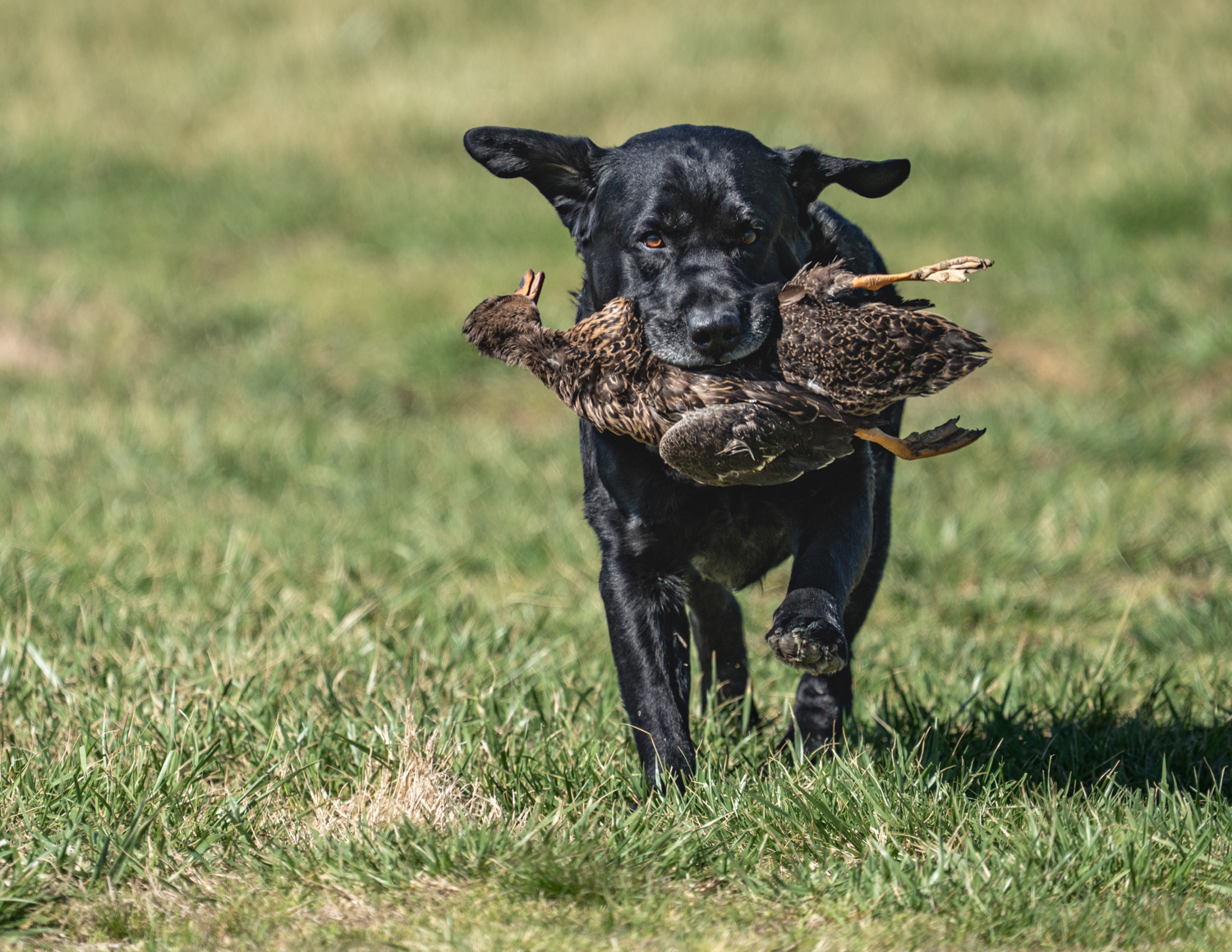
HRC Fred Old Rusty Ford MH

Male

Lorem ipsum dolor sit amet, consectetur adipiscing elit, sed do eiusmod tempor incididunt ut labore et dolore magna aliqua. Ut enim ad minim veniam, quis nostrud exercitation ullamco laboris nisi ut aliquip ex ea commodo consequat. Duis aute irure dolor in reprehenderit in voluptate velit esse cillum dolore eu fugiat nulla pariatur. Excepteur sint occaecat cupidatat non proident, sunt in culpa qui officia deserunt mollit anim id est laborum.

West End Retrievers Puppies

At West End Retrievers, our breeding program focuses on producing healthy, well-rounded retrievers with the temperament, natural ability, and drive to excel in the field. Each pairing is thoughtfully selected with the goal of producing exceptional hunting partners, competitive retrievers, and family companions.

Retriever Puppy FAQ

Where are West End Retrievers puppies born and raised?

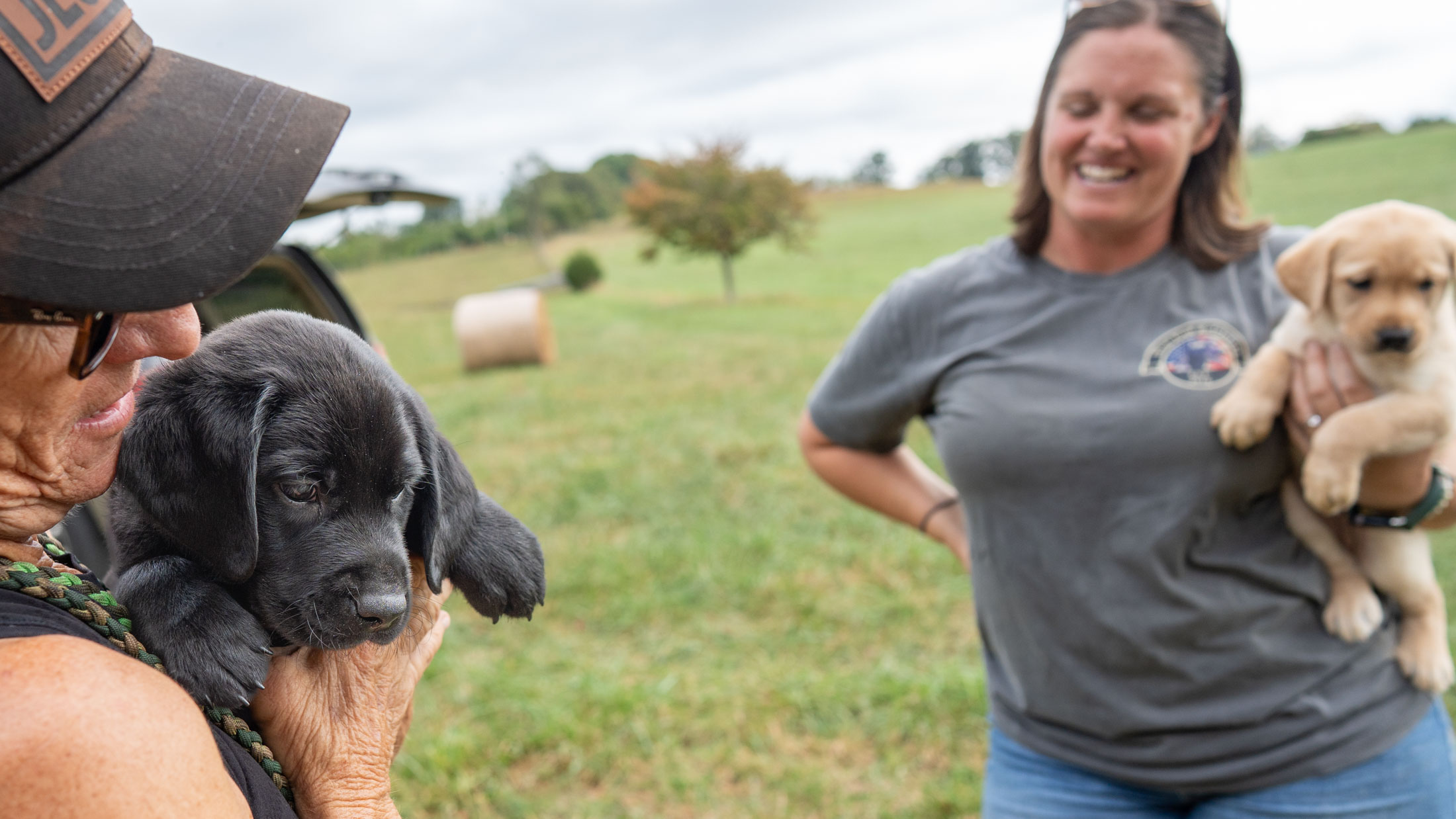
West End Retrievers puppies are born and raised in our Virginia home, where they receive daily care and attention during their early development. Raising our puppies in a home environment allows them to become familiar with everyday household sights, sounds, and activities as they grow and prepare for their new families.

What determines whether a Labrador Retriever is black, yellow, or chocolate?

Labrador Retriever coat color is primarily determined by two genes. The B locus determines whether a dog produces black or brown pigment, while the E locus controls whether that dark pigment appears in the coat.

A Labrador with at least one dominant E allele can be black or chocolate, depending on its B genes. A Labrador that inherits two recessive e alleles (ee) will be yellow, regardless of whether it carries the genetics for black or chocolate.

This means two black Labradors can produce yellow puppies if both carry the recessive yellow gene. Coat color itself does not determine a Labrador’s hunting ability, temperament, or trainability.

What makes a Labrador Retriever a good hunting or competition dog?

A successful working Labrador combines natural retrieving desire, birdiness, confidence, athleticism, and a willingness to cooperate with its handler. Important qualities include marking ability, perseverance, trainability, and the ability to remain steady and focused around distractions. Genetics provide the foundation, while thoughtful training and experience help develop those natural abilities into reliable field performance.

Do field-bred Labrador Retrievers make good family dogs?

Yes. Field-bred Labradors can make wonderful family companions, particularly in active households. They are typically intelligent, affectionate, and eager to work with people. However, their energy and drive require regular exercise, mental stimulation, and consistent training. A field-bred Labrador is often happiest when it has a job to do, whether that’s retrieving, training, hunting, or participating in outdoor activities.

What health testing should Labrador Retriever breeders perform?

Responsible Labrador Retriever breeding programs typically evaluate breeding dogs for hip and elbow dysplasia, hereditary eye conditions, and relevant genetic diseases. Common DNA tests include Exercise-Induced Collapse (EIC), Progressive Retinal Atrophy (prcd-PRA), and Centronuclear Myopathy (CNM). Health clearances help breeders make informed decisions, although no testing can guarantee a puppy will be free of every health condition.

Puppy Inquiry

Interested in a West End puppy? Tell us a little about yourself and what you're looking for in a retriever. We'll be happy to discuss current or future breeding plans.